Digestive Disorders and Treatments: When to See a Gastroenterologist

October 5, 2026 · 12 reads
Introduction
Your gut works hard every single day. It turns food into fuel and keeps your body strong. But when something goes wrong, life can feel heavy. Belly pain, bloating, or heartburn can steal your joy. You may feel alone or unsure where to turn. Please know that help is out there. Millions of people face the same problems. The key is knowing where to look and what to do. This guide is here to light that path for you. We will talk about gut doctors, common problems, and simple treatments. You will also learn about tests and surgeries in easy words. Plus, you will see how GastroHospitals.com can help you find the best hospitals for gastroenterology. Let us begin this journey together, step by gentle step.
Understanding Gastroenterology and Its Experts
Your digestive system is like a long, winding road. Food travels through it, getting broken down along the way. Gastroenterology is the medical field that watches over this road. It covers your stomach, intestines, liver, gallbladder, and pancreas. A doctor who works in this area is called a gastroenterologist. These experts study how your body handles food. They learn how nutrients get absorbed. They also find out why problems happen. When your gut feels off, they are the ones who can help.
Why do people see this kind of doctor? There are many reasons. Some have belly pain that will not stop. Others have loose stools for weeks. Many have a burning chest after meals. A few have liver problems or yellow skin. Some need a check for growths in the colon. These doctors use gentle tests and simple plans. They may give you medicines or suggest food changes. They also do small procedures when needed. Think of them as guides for your gut and liver. They help you feel like yourself again.
How GastroHospitals.com Makes Your Search Easy
GastroHospitals.com is like a helpful friend for your health search. It brings trusted hospitals together in one spot. You do not have to check ten different websites. The platform lists 50 leading hospitals with clear details. You can search by the kind of care you need. These areas include GI care, liver care, pancreas care, and IBD care. Endoscopy services are listed too. Each listing shows what that hospital offers. This helps you plan before you make any calls.
This site is not a doctor. It will not tell you what is wrong or give you pills. Instead, it gives you a strong starting point. You can compare hospitals side by side. You can read about doctors and what they focus on. Then you can ask better questions when you call. Many people feel calm when they have a plan. This platform gives you that plan. It turns a hard search into a simple task. That way, you can focus on getting better, not hunting for answers.
Signs You Should See a Gastroenterologist
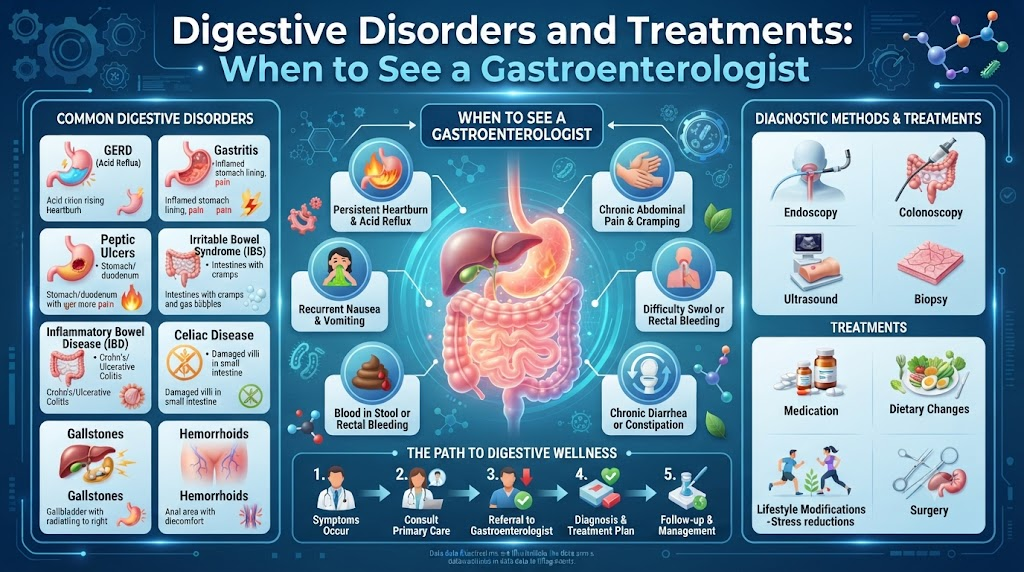
Some gut issues go away on their own. You rest, drink water, and feel fine by morning. But some signs need expert eyes. Watch for pain that stays for more than a few days. Notice heartburn that shows up almost daily. Trouble swallowing is another clear signal. So is blood in your stool. Losing weight without trying is a red flag too. These signs may not mean cancer or serious disease. But they do mean you should get checked. A good doctor can find the cause and calm your fears.
Some problems cannot wait. Rush to a hospital if your belly hurts very badly. Do this if the pain arrives fast and feels sharp. Also go if you keep throwing up and cannot hold water down. A high fever with belly pain needs quick care. Yellow skin or yellow eyes also need fast help. Do not sit at home and hope it passes. Fast care often stops small issues from turning big. Trust your body when it screams that something is wrong.
Common Digestive Disorders to Know
Many people face digestive disorders at some point in life. These are problems that affect your gut or liver. One common one is GERD. This happens when stomach acid creeps back up your food pipe. It leaves a burning feel in your chest. Another common issue is an infection in the stomach or gut. People often call this the stomach flu. It brings loose stools, throwing up, and belly cramps.
IBD is another group of conditions. It stands for inflammatory bowel disease. It causes swelling and sores inside your gut. Liver problems are common too. They can come from viruses, heavy drinking, or extra weight. Each of these problems can grow worse with time. That is why early diagnosis is so valuable. When doctors catch a problem early, they treat it sooner. This often stops long-term harm. It also helps you feel better much faster.
Table 1: Digestive Symptoms and Possible Medical Steps
| Symptom | What It May Need | Possible Next Step |
|---|---|---|
| Daily heartburn | A GERD check | See a gastroenterologist |
| Blood in stool | A closer gut look | Ask about a colonoscopy |
| Bad belly pain | Urgent review | Go to emergency care |
| Weeks of loose stools | Infection or IBD test | Get a stool test |
| Yellow eyes or skin | A liver check | See a liver expert fast |
| Trouble swallowing | A food pipe exam | Book an endoscopy |
| Bloating after meals | Diet and gut review | Track foods, see a doctor |
| Weight loss, no cause | A full check-up | Get blood tests and scans |
Gastroenteritis Treatment: Simple Steps That Work
Gastroenteritis means swelling in your stomach and gut. Most people call it the stomach flu. A virus often causes it. It can also come from bad food or dirty water. The main signs are loose stools, throwing up, and belly cramps. You may feel tired or run a mild fever. The biggest danger is losing too much water. This is called dehydration. It makes you weak and dizzy. It can turn serious fast, mainly in kids and older adults.
Good gastroenteritis treatment starts with fluids. Sip water, clear broth, or oral rehydration salts. These salts help your body hold water better. Take small sips if your stomach feels upset. Do not gulp large amounts at once. As you improve, eat light foods. Try bananas, rice, applesauce, and toast. Doctors call this the BRAT diet. It is gentle on your gut. Rest as much as you can. Call a doctor if you cannot keep fluids down. Also call if you see blood or run a high fever.
GERD Treatment: Calm the Burn
GERD happens when acid from your stomach flows backward. It moves into your food pipe. This causes a burning feel in your chest. Some people also get a sour taste in the mouth. It often gets worse at night or after heavy meals. Many things can trigger it. These include big meals, spicy foods, and lying down too soon. Weight and stress can play a role too. Over time, GERD can harm your food pipe if you leave it alone.
Simple steps can help a lot with GERD treatment. Eat smaller meals more often. Stay upright for three hours after eating. Raise the head of your bed a little. Skip foods that set off your symptoms. These may include coffee, spicy dishes, or fried food. Doctors may also give you acid-blocking pills. These lower the acid in your stomach. They help your food pipe heal. Surgery is rare, but some people need it. It can tighten the valve that stops acid from rising.
IBD Treatment: Living Well With Crohn’s and Colitis
IBD stands for inflammatory bowel disease. It is not the same as a simple upset stomach. It is a long-term problem. It causes swelling and sores in your gut. The two main types are Crohn’s disease and ulcerative colitis. Crohn’s can affect any part of your gut. Ulcerative colitis mostly affects the large intestine. People with IBD may have loose stools, belly pain, and tiredness. They may also lose weight. The cause is not fully clear. It may involve genes and the body’s own defense system.
IBD treatment aims to calm the swelling and stop flare-ups. Doctors may give you medicines to reduce it. Some come as pills. Others come as shots or drips. Tracking your symptoms helps your doctor adjust your plan. Many people also change their diet. Some foods make symptoms worse. Keeping a food diary can help you spot these. In severe cases, surgery may be needed. This can remove a damaged part of the gut. With the right care, most people with IBD live full lives.
Liver Disease Treatment: Care for Your Body’s Filter
Your liver works like a filter for your whole body. It cleans your blood. It helps you digest food. It stores energy for later. It also fights off infections. When the liver gets sick, these jobs slow down. Many things can harm your liver. These include viruses like hepatitis B and C. Heavy drinking can harm it too. So can extra weight and some medicines. Early liver problems often have no signs. That is why regular checks matter so much.
Liver disease treatment depends on the cause. For some people, lifestyle changes help a lot. Eating well and losing extra weight can protect the liver. Quitting alcohol can stop more damage. Doctors may give you medicines for viral liver illness. These drugs can control the virus. They help stop it from hurting your liver more. Your doctor will also watch your liver over time. This helps catch changes early. With good care, many people keep their liver healthy for years.
Colonoscopy Procedure: No Need to Fear
A colonoscopy is a test that checks your large intestine. Some people feel scared about it. But it is safe and common. Doctors use it to find polyps, sores, or early cancer. A polyp is a small growth. Some polyps can turn into cancer over time. Finding them early can save your life. The test uses a thin, soft tube with a small camera. The doctor gently moves it through your colon. You will get sleep medicine, so you feel calm and relaxed.
The colonoscopy procedure starts with prep at home. You drink a special liquid. This liquid cleans out your colon. You will spend more time in the bathroom that day. This step is key for a clear view. On test day, the doctor does the check. It usually takes about 30 minutes. Then you rest and wake up. Most people go home the same day. You may feel bloated for a bit. That passes fast. After the test, your doctor shares what they found.
Gastrointestinal Surgery: When It Is Needed
Sometimes medicines and diet are not enough. That is when gastrointestinal surgery can help. Doctors may remove the gallbladder if it causes pain. They may fix a blocked bowel. They may also repair a hernia. A hernia happens when part of your gut pushes through a weak spot. Surgery can also treat some cases of GERD or IBD. It may be planned ahead, or it may be needed fast. Your doctor will explain why and what to expect.
Many gut surgeries are now minimally invasive. Doctors call this laparoscopic surgery. It uses small cuts instead of one big cut. A tiny camera helps the doctor see inside. Small tools do the work. This means less pain and smaller scars. Most people heal faster too. They also leave the hospital sooner. Not every case can use this method. But it helps many people. Ask your doctor which method is best for you.
Tips to Compare Gastroenterology Hospitals
Choosing the right hospital is a big step. It can shape your whole care journey. Start with the doctors. Check their training and years of practice. See if they focus on your exact problem. Next, look at the tools they use. A modern endoscopy suite gives clear, safe results. Also check for 24/7 emergency care. Belly problems can turn serious at any hour. Insurance matters too. Make sure the hospital takes your plan. This saves money and stress.
Hygiene is another key point. A clean hospital lowers the risk of infection. Ask about their safety steps. You can also ask about wait times. Quick care can make a big difference. Reading patient reviews helps too. They show how others felt about their care. Use these tips to find the best hospitals for gastroenterology. Take your time and compare a few. A little research now can lead to much better care later.
Table 2: What to Check When Choosing a Gastroenterology Hospital
| Factor | Why It Matters | What to Check |
|---|---|---|
| Doctor credentials | Skill shapes your results | Training, focus area, reviews |
| Modern endoscopy suite | Clear and safe tests | New tools, clean rooms |
| 24/7 emergency care | Problems can start anytime | Night and weekend cover |
| Insurance acceptance | Lowers your costs | Your plan is taken |
| Hygiene and safety | Lowers infection risk | Clean rules and staff habits |
| Wait times | Fast care helps you heal | Booking speed, ER flow |
| Patient reviews | Shows real experiences | Ratings and honest comments |
| Support services | Helps your whole care | Diet help, care teams |
Real-Life Scenarios / Experiences
- Peaceful nights at last: A man woke up most nights with a burning chest. He cut late meals and raised his bed. His doctor also gave him acid pills. Soon, he slept through the night.
- A polyp stopped in time: A woman booked a colonoscopy after her doctor’s advice. The team found a small polyp and removed it. Catching it early protected her from a bigger problem.
- Quick help for sharp pain: A young man felt sudden, sharp pain on his right side. He went straight to the ER. Doctors found a gallbladder problem. They treated it the same day.
- Weeks of trouble finally solved: A teen had loose stools for weeks. Tests showed IBD. With the right medicines and diet, she felt much better.
Common Mistakes to Avoid When Choosing Digestive Care
- Ignoring long-term heartburn: See a doctor if it lasts for weeks, because it can harm your food pipe.
- Stopping pills too early: Finish your full course, because quitting soon can bring symptoms back.
- Taking painkillers on an empty stomach: Eat first, because some pills can upset your stomach lining.
- Skipping screenings: Book your colonoscopy on time, because early finds save lives.
- Picking a hospital by distance only: Check skills and tools too, because good care matters most.
- Not asking about insurance: Confirm your plan is taken, because surprise bills add stress.
- Hiding your full history: Share all your symptoms, because small details help your doctor.
- Waiting too long in pain: Go to the ER for bad pain, because fast care stops big problems.
How GastroHospitals.com Fits Into Your Research
GastroHospitals.com brings your whole search into one place. It lists 50 leading hospitals with clear details. You can filter by care area, like GI, liver, or pancreas. You can also read about specialists and what they treat. This helps you match your problem with the right expert. The site also offers simple guides. These explain conditions, tests, and gastroenterology treatments in plain words. So you learn as you search. You do not need to jump between many websites.
This platform works well with your doctor’s advice. Use it to build a short list of hospitals. Then ask your doctor which one fits your needs. You can also check which places take your insurance. This saves time and worry. In short, GastroHospitals.com turns a hard search into a simple one. It helps you feel ready and in control.
Frequently Asked Questions
1. What does a gastroenterologist do?
A gastroenterologist cares for your stomach, intestines, liver, gallbladder, and pancreas. They help with heartburn, loose stools, belly pain, and liver issues. They also run tests like colonoscopy. These doctors find the cause of your symptoms and build a care plan. If your gut problem will not go away, they are the right expert to see.
2. When should I see a gut doctor?
See one if pain lasts more than a few days. Also go if you have daily heartburn or trouble swallowing. Blood in your stool is another reason. So is weight loss with no clear cause. These signs do not always mean danger. But a check-up can find the cause early. That helps you get the right care fast.
3. What is the best way to treat stomach flu?
Gastroenteritis treatment starts with fluids. Drink water or oral rehydration salts. Take small sips all day. Eat light foods like rice, bananas, and toast. Rest as much as you can. Call a doctor if you cannot keep fluids down. Also call if you see blood or run a high fever. Most people feel better in a few days.
4. Can GERD be cured?
GERD often gets better with care, but it may come back. Small meals and staying upright after eating help a lot. So does raising your bed head. Doctors may add acid-blocking pills. These help your food pipe heal. Some people need surgery. Work with your doctor to find the plan that keeps symptoms away.
5. What is IBD, in simple words?
IBD means inflammatory bowel disease. It causes swelling and sores in your gut. The two main types are Crohn’s disease and ulcerative colitis. People may have loose stools, belly pain, and tiredness. IBD is long-term, but care can control it. Medicines, diet changes, and sometimes surgery help most people live full lives.
6. How is liver disease treated?
Liver disease treatment depends on the cause. Eating well and losing extra weight can help. Quitting alcohol can stop more harm. Doctors may give medicines for viral liver illness. They will also watch your liver over time. With good care, many people keep their liver healthy for years. Early checks make a big difference.
7. Is a colonoscopy painful?
Most people feel no pain during a colonoscopy procedure. You get sleep medicine, so you feel calm and relaxed. The test takes about 30 minutes. Then you wake up and rest. Some people feel bloated after. That passes fast. The prep at home is the hardest part. But it helps the doctor see clearly.
8. When is gastrointestinal surgery needed?
Surgery helps when other care is not enough. Doctors may remove the gallbladder or fix a blocked bowel. They may repair a hernia too. Some GERD and IBD cases need it as well. Many surgeries use small cuts now. This means less pain and faster healing. Ask your doctor which method fits your case.
9. How do I pick the best hospitals for gastroenterology?
Check the doctors first. Look at their training and focus areas. Then check the tools, like a modern endoscopy suite. Make sure they take your insurance. Also look for 24/7 emergency care. Read patient reviews for real views. Compare a few hospitals before you choose. A little research leads to better care.
10. Can I prevent digestive problems?
You can lower your risk with simple habits. Eat small, balanced meals. Drink enough water each day. Limit spicy, fried, and greasy foods. Move your body often. Keep a healthy weight. Do not smoke, and limit alcohol. Also book your screenings on time. These steps help your gut and liver stay healthy for years.
11. What should I ask my gut doctor?
Ask what may be causing your symptoms. Ask which tests you need and why. Ask about your treatment choices and side effects. Ask if diet changes can help. Ask when you should come back. Also ask what warning signs mean you need quick care. Write your questions down before the visit. This helps you use your time well.
12. Are gut problems common?
Yes, they are very common. Millions of people deal with digestive disorders each year. These include GERD, infections, IBD, and liver problems. Many of these get better with care. Some need long-term management. The good news is that help exists. Seeing a doctor early often stops small problems from turning big.
Conclusion
Your body often whispers before it shouts. Learn to hear those small signals. Do not brush off lasting pain, daily heartburn, or odd toilet habits. Take time to explore your choices with care. Understand the tests, the treatments, and the doctors who can help. Then choose your care with steady confidence. GastroHospitals.com can make that search far simpler. It helps you find trusted hospitals and skilled specialists. Always speak to a qualified doctor about your own health. This guide offers general tips, not personal medical advice. With the right care, you can protect your gut and feel your best.
Leave a Reply