Top Hip Replacement Surgeons Abroad: How to Find a Qualified Doctor

September 24, 2026 · 15 reads
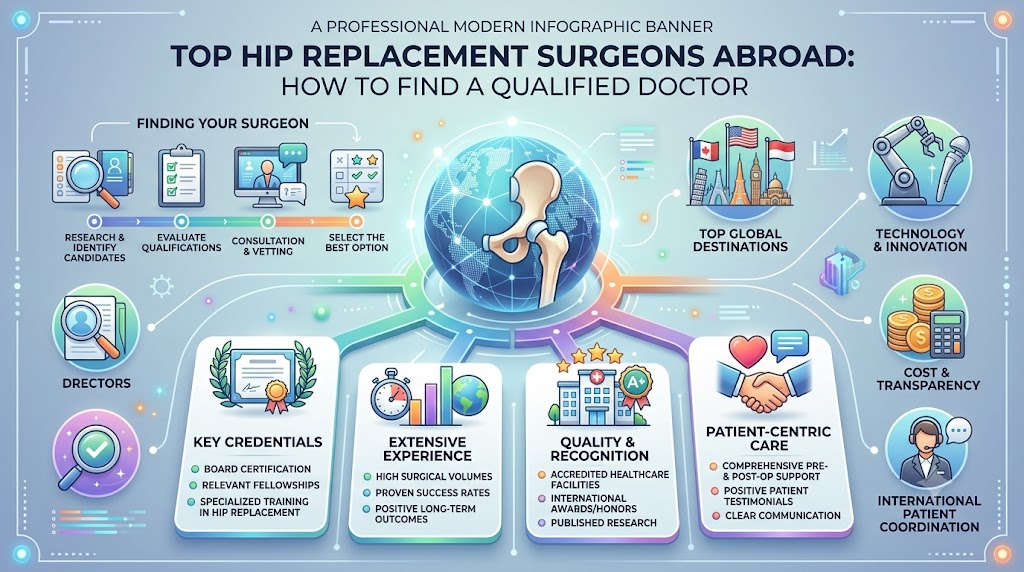
Hip pain changes everything. Simple things like tying your shoes or climbing stairs start to feel impossible. And then you learn the wait time back home could be a year or more. That’s a long time to live in pain. The good news? Thousands of people now fly to another country for their hip surgery. They get expert care, often for half the price. This guide breaks down exactly how that works. HipHospitals.com built this resource to walk you through every step, honestly and without pressure.
What Exactly Is HipHospitals.com?
Think of it as your research partner. HipHospitals.com links patients to vetted hospitals across the globe. You can request quotes, compare surgeons, and read real patient feedback, all in one place. Nobody there is trying to rush your decision. The whole point is giving you facts so you can choose what’s right for your body and your budget.
Total Hip Replacement, Explained Simply
Here’s what actually happens during a total hip replacement surgery. Your joint has worn down. It’s causing friction, pain, and stiffness. The surgeon takes out the damaged bone and cartilage. In its place, they fit an implant, a manufactured joint built from metal, ceramic, or strong plastic. Once it heals, that new joint moves like your old one used to, minus the pain. This is exactly why so many people search for affordable hip replacement surgery that doesn’t cut corners on quality.
The Real Reason People Fly Abroad for Surgery
Nobody wants to travel for surgery. But when your local wait list stretches past a year, the pain doesn’t pause and wait with you. That’s the honest reason behind hip replacement surgery abroad. Patients skip the line. They also often walk away paying thousands less. Many countries now have hospitals built specifically for international patients, with surgeons trained at top programs worldwide. Surgery that might take two years at home can happen in a matter of weeks elsewhere.
What’s Actually Inside That Price Tag?
A hip surgery quote isn’t just one number. Several pieces make up the total:
- The surgeon’s own fee
- The implant itself
- Your room and nursing care in the hospital
- Pre-op scans and bloodwork
- Physical therapy sessions afterward
Once you understand what builds the final hip replacement surgery cost, budgeting gets a lot less stressful. No surprises later.
Comparing Costs Around the World
Prices shift quite a bit depending on where you go. Here’s a general breakdown of hip replacement cost by country to help you start comparing.
| Country | Average Estimated Cost | Wait Time | Why Patients Choose It |
|---|---|---|---|
| India | $6,000 – $9,000 | 1–2 weeks | Experienced surgeons, low cost, modern facilities |
| Turkey | $7,000 – $10,000 | 1–3 weeks | Quick flights from Europe, comfortable stays |
| Mexico | $9,000 – $13,000 | 1–2 weeks | Short trip for US patients |
| Thailand | $10,000 – $14,000 | 2–3 weeks | Well-established medical travel industry |
| Poland | $8,000 – $12,000 | 2–4 weeks | EU-level standards, close for European patients |
Numbers shift depending on the hospital and your specific case, so treat this as a starting point, not a final quote.
How Do You Pick the Right Country?
This part trips people up. Should you go somewhere close, or somewhere cheaper? A smart approach is weighing three things: how safe the medical system is, how long the flight will be, and whether staff speak your language comfortably. These factors matter more than the sticker price alone. That’s the real work behind finding the best country for hip replacement surgery for your situation, not just anyone’s.
Spotting a Trustworthy Hospital
Every hospital claims to be excellent. Your job is separating marketing from reality. Look for international safety accreditation first. That single certificate tells you the facility passed a serious inspection. Beyond that, ask about infection rates. Look at photos or virtual tours. Read what past patients actually experienced. These steps are how you land on one of the best hospitals for hip replacement instead of gambling on a name you saw in an ad.
Vetting Your Surgeon
The hospital matters. The person holding the scalpel matters more. Before committing, ask direct questions. How many of these surgeries has this doctor performed? What’s their complication rate? Where did they train? Reputable hip replacement surgeons won’t dodge these questions, they’ll answer with specifics and often share outcome data. If a doctor gets vague or defensive, treat that as a warning sign.
Quick Safety Checklist for Hospitals and Doctors
| Factor to Check | What to Look For | Why It Matters for Your Safety |
|---|---|---|
| Accreditation | International safety certification | Confirms the hospital meets global standards |
| Surgeon’s track record | Case volume, years practicing | Experience lowers your risk |
| Cleanliness | Low infection rates, modern equipment | Protects you from post-op complications |
| Patient reviews | Honest, verifiable feedback | Gives you a real-world picture |
| Emergency backup | 24/7 staff availability | Keeps you covered if anything changes |
Why a Medical Travel Partner Actually Helps
Surgery is only part of this trip. You’ll also need a visa, flights, a hotel, maybe even a translator. Juggling all of that while also healing is a lot. This is exactly where a medical tourism company earns its value. A solid travel partner handles logistics so your energy goes toward recovery, not paperwork. That’s the entire idea behind medical tourism for hip replacement done well: less stress, more support.
Stories From Real Patients
Every journey looks a little different. A few examples:
- A retired schoolteacher faced a two-year wait at home. She flew out and had surgery within three weeks.
- A small business owner had a strict budget. By comparing three countries, he saved over $15,000.
- One patient needed a specialist for a rare joint issue. She found the right surgeon through video consultations and hospital reviews.
- A couple treated the trip almost like a getaway, pairing recovery time with rest near the coast.
Your 10-Step Roadmap
- Request quotes from a few reputable hospitals.
- Send over your medical history and scans for review.
- Ask pointed questions about the surgeon’s background.
- Compare full costs, including flights and lodging.
- Check visa requirements for your destination.
- Book flights with extra buffer time for recovery.
- Lock in your hospital stay and aftercare plan.
- Arrive a few days early so you’re rested, not jet-lagged, going into surgery.
- Have the procedure, then follow every recovery instruction closely.
- Fly home only once your surgeon clears you.
Mistakes That Trip People Up
- Picking a hospital purely because it’s the cheapest option.
- Underestimating how long visa approval can take.
- Booking a return flight too soon after surgery.
- Skipping a real background check on the surgeon.
- Not asking upfront about hidden or add-on fees.
- Ignoring reviews from actual past patients.
- Traveling without a companion for support.
- Forgetting to plan for physical therapy once you’re home.
Where HipHospitals.com Fits Into This
This is the part where HipHospitals.com does the heavy lifting. It hosts a directory of vetted hospitals, connects you with experienced surgeons, and lets you compare free quotes side by side. There’s no sales pressure and no pushy follow-up calls. The goal is simple: give you enough honest information that you can make a confident, well-researched choice on your own timeline.
A Simple Framework for Deciding
Keep this order in mind as you move forward:
Goal → Search → Shortlist → Compare → Ask → Verify → Decide
Start by getting clear on what you actually need. Search broadly first. Narrow it to a short list. Compare those options side by side. Ask hard questions. Verify every answer you’re given. Then, and only then, decide.
Frequently Asked Questions
Question 1: Is it really safe to get hip surgery abroad?
It can be just as safe as surgery at home, sometimes safer, depending on the hospital. Many international facilities follow strict global safety standards and use the same implant brands found in leading hospitals worldwide. The key is doing your homework: confirm accreditation, check the surgeon’s experience, and read real reviews before booking anything.
Question 2: What’s the typical cost range for hip surgery overseas?
Most patients pay somewhere between $6,000 and $14,000, depending on the country and hospital. That’s often a fraction of what the same surgery costs in the US or UK. This usually covers the surgery, the implant, and your hospital stay. Always request a detailed quote so nothing catches you off guard later.
Question 3: How long until I’m back on my feet?
Many patients are walking with assistance within a day or two after surgery. Full recovery generally takes three to six months, with physical therapy playing a big role. Your surgical team will guide you through each stage. Building in extra rest time before your flight home helps your body heal properly.
Question 4: Can international hospitals really be trusted?
Many hold internationally recognized safety certifications, which means they’ve passed rigorous outside inspections. Before choosing one, check that accreditation and read genuine patient reviews. A hospital confident in its standards will share this information openly instead of making you dig for it.
Question 5: What does the quoted price actually include?
Typically, it covers the surgeon’s fee, the implant, your hospital stay, and standard pre-surgery testing. Flights, hotels, and follow-up visits usually aren’t included. Ask for an itemized breakdown before you commit to anything. That way, your full budget stays realistic and you avoid unpleasant surprises.
Question 6: How do I narrow down which country to choose?
Weigh safety record, flight length, and language comfort together, not just price. A country close to home might mean a shorter, easier trip. Somewhere further away might save more money. There’s no universal right answer here. It comes down to what fits your comfort and your needs best.
Question 7: Will the medical staff speak my language?
In most established medical tourism destinations, doctors and nursing staff speak English confidently, and hospitals catering to international patients often provide translators too. Still, it’s worth confirming directly before you book. Clear communication with your care team matters enormously, especially around something as important as surgery.
Question 8: How can I verify a surgeon’s actual experience?
Ask how many hip replacements they’ve personally performed and request their complication and success rates. A genuinely skilled surgeon answers these questions readily, often with data to back it up. You can also look for independent reviews or request to speak with past patients before making your final call.
Question 9: Is flying home right after surgery a bad idea?
Yes, generally it is. Flying too soon raises the risk of blood clots and other complications. Most surgeons recommend waiting at least two weeks before a long-haul flight. Always follow your specific doctor’s advice here. That extra recovery buffer before travel keeps your healing on track.
Question 10: What happens if there’s a problem after I’m back home?
Reputable hospitals typically offer remote follow-up support even after you’ve left the country. It’s worth confirming this before booking. Some medical tourism companies also coordinate directly with your local doctor for continued care. Keep your full medical records handy just in case they’re needed later.
Question 11: Is using a medical tourism company actually worth it?
For many patients, yes. A good company manages the logistics, travel bookings, hotel arrangements, and translation, so you can focus fully on recovering. Choose one that’s transparent about fees and doesn’t pressure you into rushed decisions. That transparency is usually a strong sign of a trustworthy partner.
Question 12: Where’s the best place to actually begin?
Start by researching a handful of trusted hospitals or a platform like HipHospitals.com. Request free quotes and share relevant medical records. Ask direct questions about the surgeon and facility. Once you’ve compared your options and feel genuinely confident, you’re ready to move forward with booking.
Final Thoughts
Deciding to have hip surgery abroad is a significant choice, but it doesn’t need to feel overwhelming. Take the time to research each hospital and surgeon properly. Ask every question until you feel truly certain. Safety and quality should always come before cost, no matter how tempting a cheaper option looks. With solid information and the right support behind you, affordable and trustworthy care is absolutely within reach. HipHospitals.com is built to guide you through each step of this journey, so you can move forward with clarity and real hope for a pain-free future.
Leave a Reply